Tel: +86-577 61727673
Email: [email protected]
Tel: +86-577 61727673
Email: [email protected]
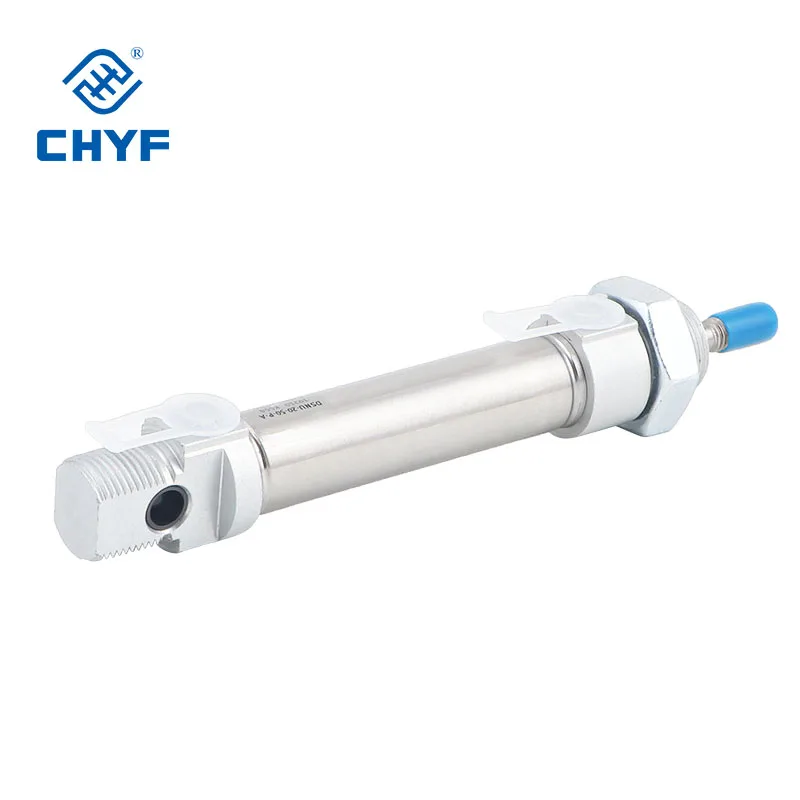
Pneumatic double acting cylinders are forceful and beneficial components in several machines. These cylinders cooperate to produce frictionless motion. Let’s find out how it works and why it’s important in various jobs.
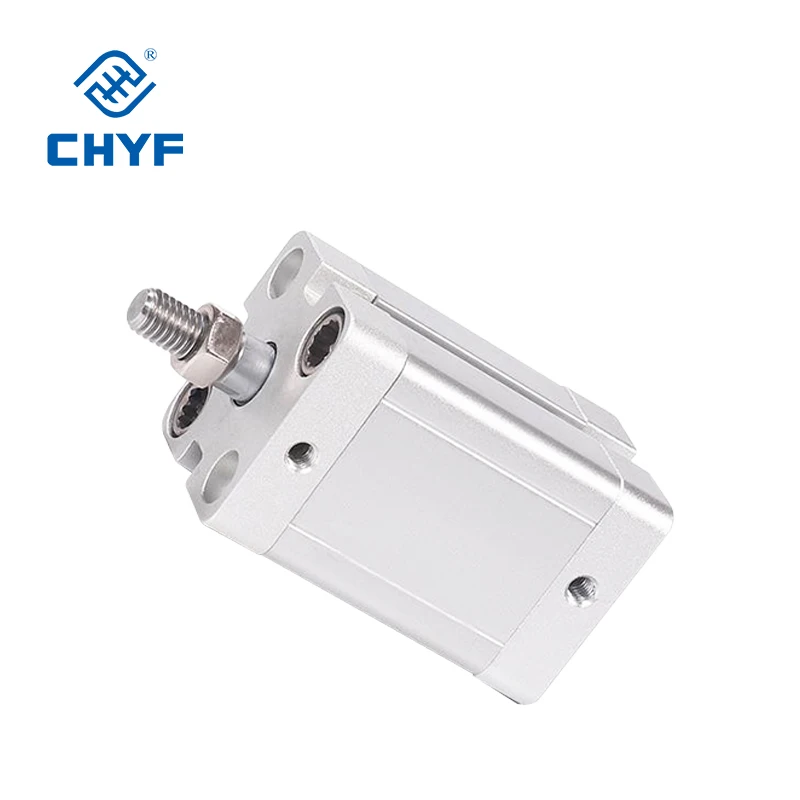
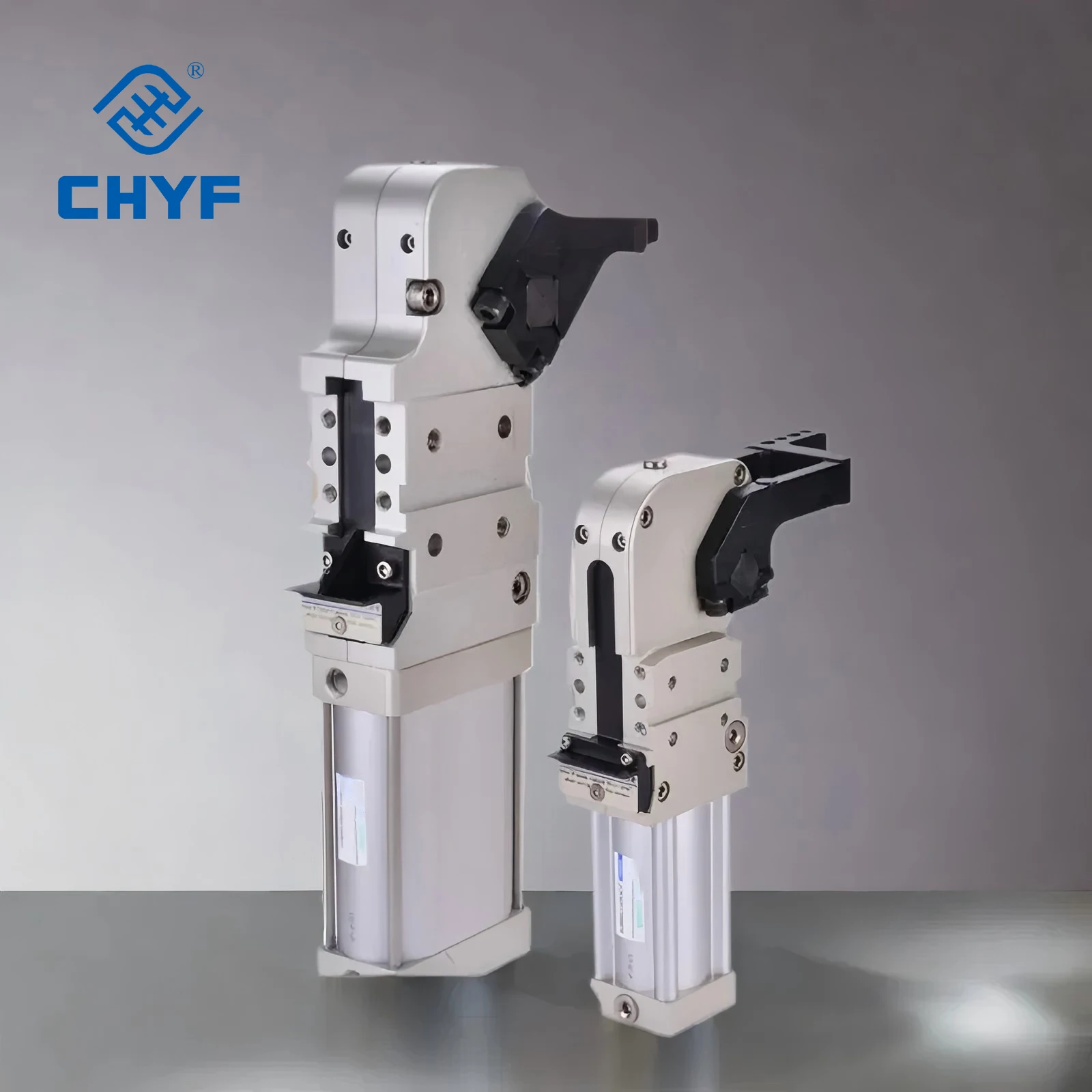
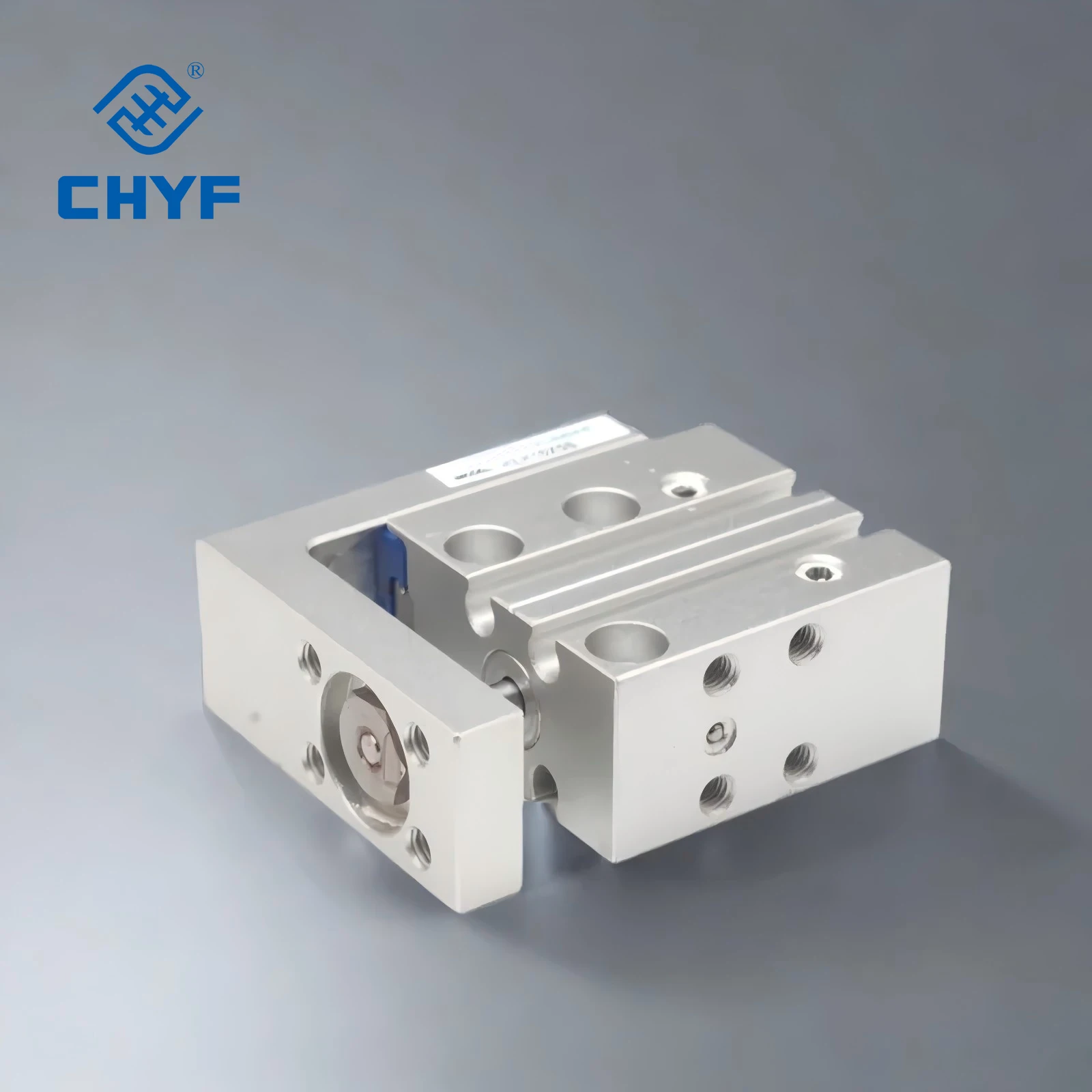
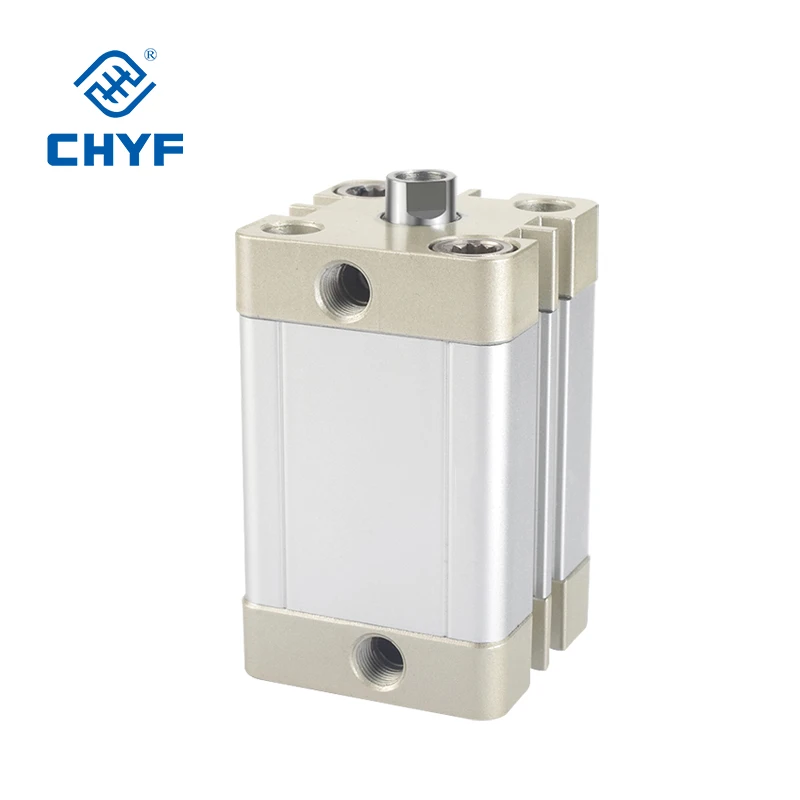
Pneumatic tandem cylinders work like a squad of muscles lifting and shoving heavy things. They harness air pressure to generate force and get things moving. Inside those cylinders are a pair of smaller parts that work together to accomplish big tasks. They can be found in machines that require a lot of power to operate properly.
Machines can work faster and better using a pneumatic tandem cylinder system. When the cylinders collaborate, they can distribute the work and help the movement go more smoothly. This allows work to be done faster and with less effort. This saves companies money and allows them to get more work done.
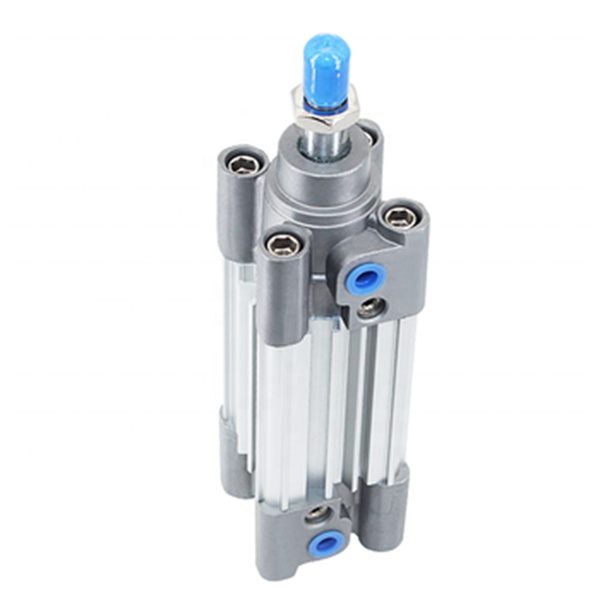
Painted between the breathtaking wilderness are sheer stacks of raven black materials through which pistons squeeze when air pressure is applied. This black on the outside of the box forms also the disk upon which are the pistons to move back and forth. This movement generates force and is capable of hoisting or pushing heavy weights. The two cylinders collaborate to ensure the force is shared equally, and the motion is in sync. This is how machines are able to do their jobs right.
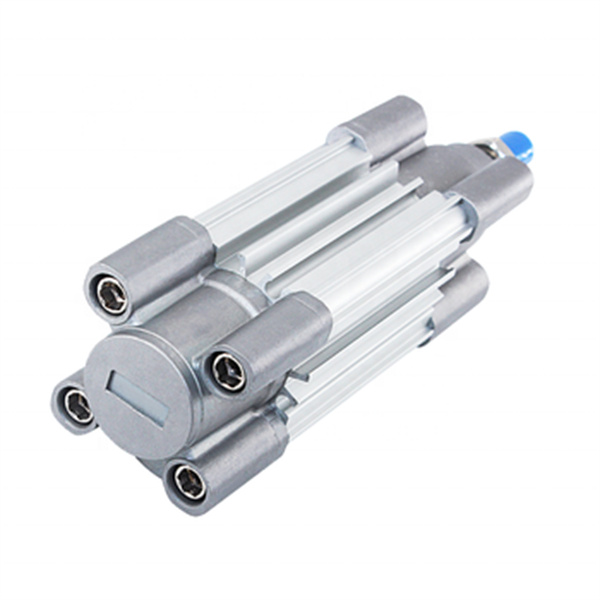
There are numerous reasons why you might want to work with pneumatic tandem cylinders in various tasks. These cylinders are capable of lifting heavy loads, moving quickly and operating smoothly. And they are easy to control and maintain. By employing these cylinders, companies can work better, save time and make the workplace safer.
The operation of pneumatic tandem cylinders is often juxtaposed to hydraulic systems, where fluid is also used to generate force and motion. Hydraulic systems are rugged but may be more difficult to operate and maintain. It is also easier to control pneumatic tandem cylinders and it can save money. They are also better for the environment, using air, rather than oil, to generate force.

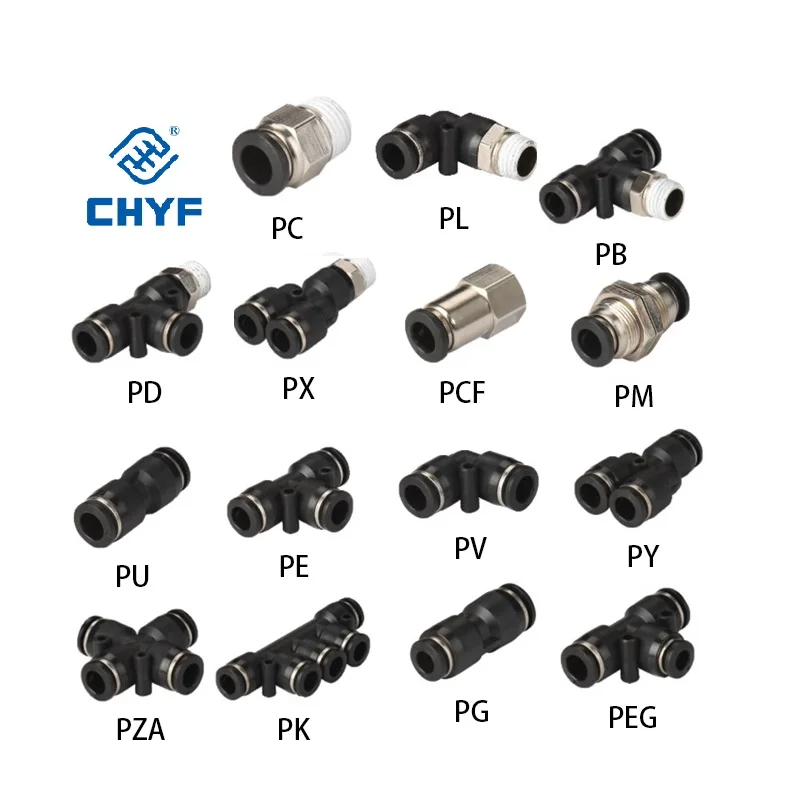
CHYF Yufeng pneumatic, a professional manufacturer of pneumatic cylinders, solenoid valves, air preparation units, pneumatic hoses, air fittings, vacuum pad etc.
No.18 Liujiang Road, Liushi Town, Yueqing City, Wenzhou, Zhejiang Province, China
Copyright © Zhejiang Yufeng Pneumatic Co., Ltd. All Rights Reserved Privacy Policy Blog

 EN
EN