
 EN
EN
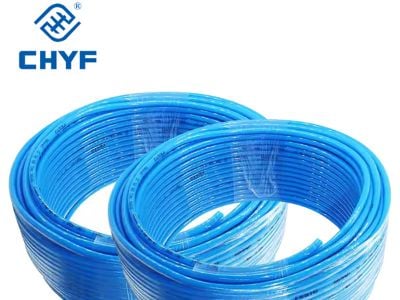
A good installation is critical for preventing pneumatic polyurethane hoses from kinking, leaking or deteriorating. CHYF is aware ho important a proper installation is to the peak performance and life of these hoses. Users can avoid typical problems with usage and get the most from their pneumatic systems by observing a few basic guidelines.
Benefits of Fitting Pneumatic Polyurethane Hoses Correctly:
Correctly installed pneumatic polyurethane hoses provide a number of benefits to users. One of the biggest advantages is there are no hose kinks. For example, if hoses are bent the wrong way upon installation, it may cut off ventilation and cause inefficiency in the system. With careful hose routing and securing, a user can preserve an easy flow of air and minimize the likelihood that kinks will gradually cause damage. Furthermore, when installed correctly it can significantly reduce the chance of leaks keeping your system at peak performance with no loss of pressure. This can result in higher productivity and lower maintenance and repair downtime. In addition, fitting of pneumatic polyurethane hose properly can reduce early hose wearing and prolong the use of the hoses. By installing hoses in conjunction with manufacturer guidelines, tools, and techniques, organizations can extend the life of their hoses and expect dependable performance during diverse operating conditions.
How to Avoid Common Usage Problems of Pneumatic Polyurethane Hose:
You should periodically check hoses for leaks, which would be heard as a hissing sound or seen air escaping through the hose; fixing these problems will prevent other in your system. Also, pneumatic polyurethane hose pipe are subject to premature wear when used in rugged conditions or with abrasive materials. Correct installation, the application of protective covers and shields can assist in extending hose life, preventing premature failure. Avoiding these misuse problems by installing the systems correctly, however, helps users to maintain durable and efficient pneumatic systems for sustained use.
How to Prevent Kinks and Leaks in Pneumatic Polyurethane Spray Hoses:
One of the most common problems you might have with installing Pneumatic Polyurethane Hoses is kinking. Kinks are a source of restriction in an air hose, which will reduce performance and could cause damage. By avoiding sharp bends and kinks in the hose, you can keep your flexible polyurethane tubing performing well. Securing the hose with hose clamps or brackets can also help prevent kinks. Also inspect your horse frequently for any signs of wear or damage as preventative action to avoid leaks etc.
Why Proper Installation Matters:
The correct installation method of polyurethane pneumatic hoses is important to work effectively and for the durability of a hose. While installing, users can stay away from common problems (kinks, leaks and early wear) by strictly following the manufacturer’s instructions. Correctly fitted hoses are less likely to fail, which means less risk of downtime and replacement costs. Second, proper hose end when being fitted to a mating nose prevents accidents or injury associated with the failure of hoses.
Extending the Lifespan of Pneumatic Polyurethane Hoses:
Proper maintenance should be followed to extend the life of pneumatic polyurethane hoses. You need to inspect the hoses for wear, damage or leaks on a regular basis and fix them when identified early to avoid causing further problems. You can also help prolong the hose’s life by cleaning it after use and storing it in a cool, shaded space when not in operation. Also, using the right kind of fittings and connectors on those hoses can help to avoid any leaks and make sure they are connected properly. By following these recommendations, users can extend the life of their pneumatic polyurethane hose and maintain efficiency.