
 EN
EN
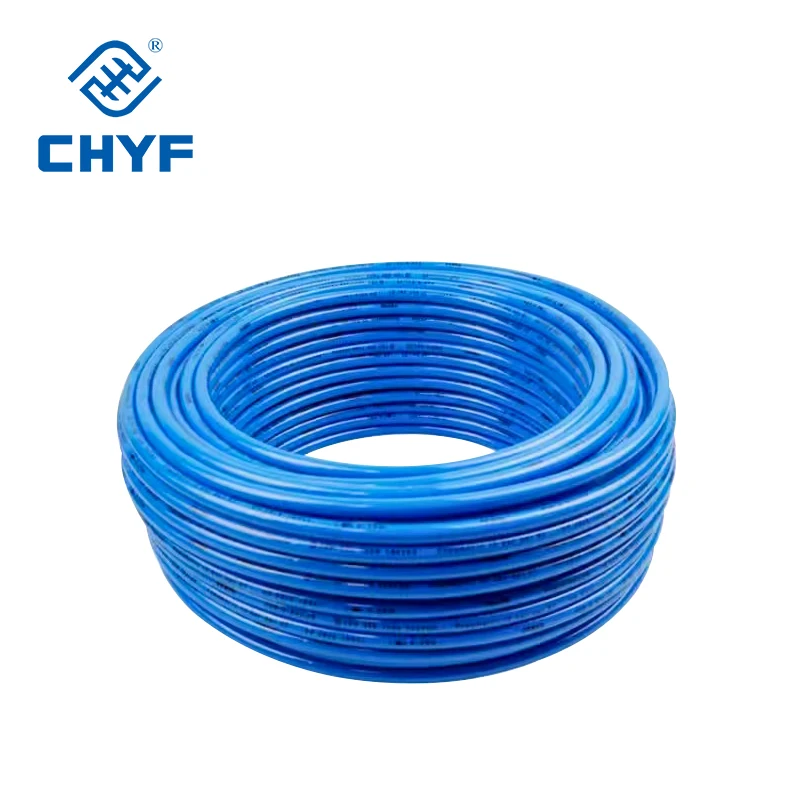
The Service Life of Pneumatic Polyurethane Spiral Hose
If you notice abrasion or wear and tear on your polyurethane hose, it’s time to replace the system. Here at CHYF, we know all about the benefits of taking good care of your gear. Here are five signs to keep an eye out for that will tell you when it’s time to replace your pneumatic polyurethane tubing.
How to Know Your Pneumatic Polyurethane Hose is Wearing Out
Those are the things that can degrade the pneumatic hose and cause leaks or blowouts under pressure. Another indicator to be on the lookout for is if you start to notice any signs of wear and tear on the hose’s exterior. This exposes the interior layers to degradation and weakens the hose. Also, if you find bulges or swelling along the hose’s length, it is an indication of internal damage that can lead to sudden failure.
Where Pneumatic Polyurethane Hose Replacements are High Quality
If you are looking to find some high quality replacement for your air hose it is important that you select a proven supplier such as CHYF. Our hoses are engineered to work with the high pressures and pollution often found in these working environments, maintaining peak performance even over longer periods. We have different types of size and type for your selection to replace the ones that you own.
Typical Problems that Pneumatic Polyurethane Hoses Encounter in Industrial Environments
It is used to move air or other media between different components of a system. But with time these pipes can suffer damage and this can cause problem that might lead to failure of the system. One of the biggest problems is pneumatic air hose fittings which happens in a variety of conditions when rail workers are working with chemicals or dealing with extreme temperatures and high pressures.
Top Pneumatic Polyurethane Hose Replacement Products
This could result in a hose that is brittle, cracked or fails resulting in leaks which affect your systems efficiency. Another problem is that the hose kinks or twists, and thereby causes a reduction in flow there through so as to induce pressure drops or blockages.