
 EN
EN
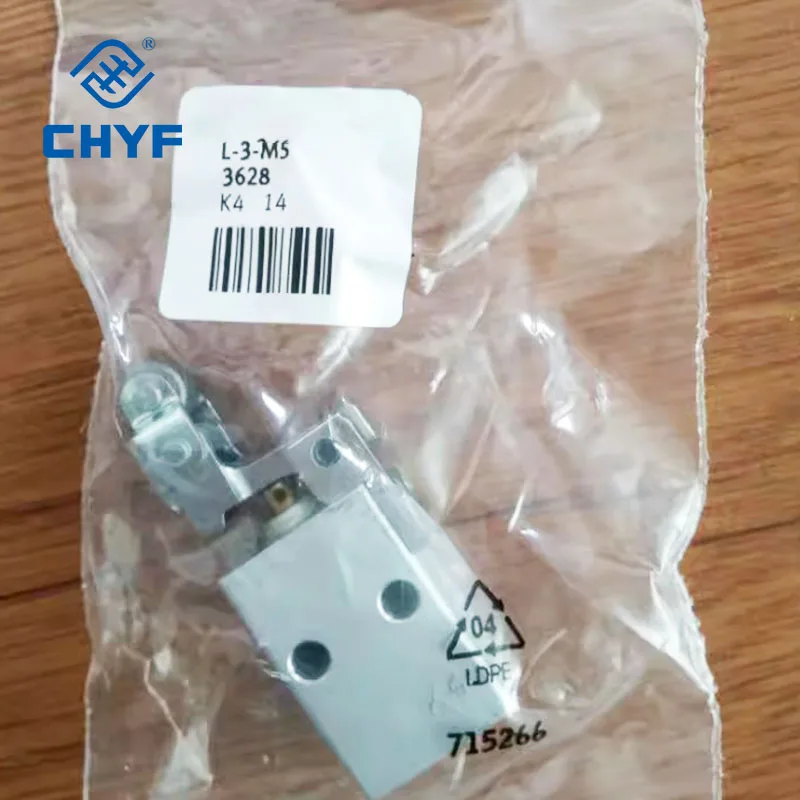
Pneumatic actuators in food industry sample These are just some examples of the role and necessity of pneumatic actuators in the food processing and ensure efficient and safe operation of automated machineries. At CHF, we know the importance of adhering to strict hygiene standards right down to choosing appropriate pneumatic actuation for food processing applications and in this post, we explore the hygiene requirements of pneumatic actuators used in the food industry and ways you can select the perfect actuator for your needs.
Hygiene Recommendations for The Pneumatic Actuators in Food Processing Plants
In the food processing industry, hygiene is a top priority for the sanitary and regulatory compliance of products. Hygiene standards must be adhered to Chapter. Key hygiene requirements for pneumatic actuator, if a pneumatic actuator is involved, there are several important aspects that need to be considered in order to inhibit potential contaminants and ensure a clean work environment. For example, pneumatic actuators used in food processing need to be constructed of materials which are easy-to-clean, corrosion resistant (such as stainless steel or other ‘food grade’ materials). Any form of the utility model will be equipped with cleaning and disinfecting operation, to avoid debris and bacteria during production lead food safety hidden dangers. Furthermore, pneumatic actuators should be provided with largely planar surfaces at the least as well as free of edges and corners that are difficult to clean or keep clean. By following these hygiene guidelines, food manufacturers will be able to maintain a clean operation and protect the quality of their product.
How Do You Select the Appropriate Pneumatic Actuators for Your Food Processing Requirements?
Choosing the right actuator for food processing applications between these factors is one of several complex issues to be considered, if performance and efficiency are to be assured. Making sure that you have a right machine to accommodate your needs is key when it comes to choosing the correct rubber matting for food processing. Various types of pneumatic actuators like linear actuator, rotary actuator have their own advantages and the features that fit to different working parameter specifications. For example, when accurate control or positioning is necessary, a linear actuator may be preferable, and for applications involving circular motion a rotary actuator could be used. Moreover, taking into account such factors as speed, force and compatibility with current systems can help to decide the best pneumatic actuator for your food processing tasks. With the help of industry specialists and clear information on your requirement, you can be sure that you will select the right pneumatic actuator for improved output and efficiency in food processing.
Pneumatic actuators play a decisive role in food processing systems and they are instrumental for modulating the operation of several devices including valves, conveyors etc. But there are inherent issues that may need to be resolved when using pneumatic actuators in food, if they are to maintain cleanliness and process effectively.
Typical Pneumatic Actuator Problems and How to Fix Them for Food Processing
A good example of one of the shortcomings faced by pneumatic food actuators is contamination: 90% would describe this as a problem. Hygiene and bio-security in food-process plants Food-processing places must be kept clean and contamination-free at all times to protect the safety of food products. The solution to this is simple: select pneumatic actuators that are manufactured with clean in mind and corrosion resistant materials. The actuators also need be cleaned and maintained on a regular basis to avoid contamination.
A further problem is that pneumatic actuators are subject to leaks which can cause pressure loss and thereby result in inefficient operation. The actuator should be thoroughly checked for leaks and any damaged seals or components must be replaced to find the solution of this problem. Quality actuators, from known manufacturers, can also prevent leaks and help ensure smooth running.
Top-Rated Pneumatic Actuators for Food Processing
The optimum pneumatic actuators for food processing When selecting the best pneumatic actuators for food processing, it is important to take hygiene standards, durability and efficiency into account. For food processing plants, CHYF has developed pneumatic actuators in stainless steel or food-grade materials according to hygienic requirements. In addition, the actuators are constructed to last providing you with years of dependable and trouble-free operation.
How Are Pneumatic Actuators Installed in A Food Processing Plant?
There are tougher demands when you install pneumatic valve actuator in food processing facilities. The actuator is a dry environment type so be sure to keep it clean and take necessary precautions while handling or OPEN operating the actuation at site. Those actuators should also be mounted in a manner so that if and when maintenance and cleaning is needed, it can easily be done.
Furthermore, sizing of actuators is also crucial so that they can cope with the load and work effectively. Pneumatic actuators are available in various sizes and options from CHYF to fit any food processing plant requirements. Correct installation and actuator sizing can enhance productivity, minimize down-time, and guarantee the food safety while maintaining a high-quality product.
Table of Contents
- Hygiene Recommendations for The Pneumatic Actuators in Food Processing Plants
- How Do You Select the Appropriate Pneumatic Actuators for Your Food Processing Requirements?
- Typical Pneumatic Actuator Problems and How to Fix Them for Food Processing
- Top-Rated Pneumatic Actuators for Food Processing
- How Are Pneumatic Actuators Installed in A Food Processing Plant?